Self-Publishing

Self-publishing has made it possible for anyone to become an author without waiting for approval from traditional publishers. What once required agents, long waiting periods, and uncertain outcomes with major publishing houses like Penguin Random House, HarperCollins, or Simon & Schuster can now be done independently with the right knowledge and tools. This guide will help you understand what self publishing is, how it works, and what you need to begin your journey.
Self-Publishing
-
Self-publishing is the process of publishing your book independently without the involvement of a traditional publishing house. As a self published author, you take full control of your work, from writing and editing to design, pricing, and marketing. Instead of relying on a publisher to handle the process, you use publishing platforms to make your book available to readers. This approach gives you complete creative freedom and allows you to move at your own pace.
-
Traditional publishing and self publishing follow different paths, each with its own advantages and challenges. In traditional publishing, authors submit their work to established publishers such as Penguin Random House, HarperCollins, or Simon & Schuster and go through an approval process that can take months or even years. If accepted, the publisher typically manages editing, design, printing, and distribution, and may provide credibility and wider access to bookstores. However, this route often involves less creative control, longer timelines, and lower royalty percentages for the author.
Self publishing, on the other hand, allows authors to publish their work independently without waiting for approval. This offers greater creative control, faster time to market, and higher potential royalties. At the same time, authors are responsible for managing or learning each step of the process, including editing, design, and marketing, which can require time, effort, and sometimes financial investment.
Both paths offer unique opportunities. Traditional publishing provides professional support and industry access, while self publishing offers independence and flexibility. The right choice depends on an author’s goals, resources, and preferred level of control.
-
One of the biggest advantages of self publishing is flexibility in cost. It is possible to publish a book with little to no financial investment if you are willing to learn and handle the process yourself. However, many authors choose to invest in areas like editing, cover design, formatting, or marketing to improve the overall quality of their book.
The total cost depends entirely on your choices. You can start with a minimal budget and gradually invest more as you grow. The key difference is that, unlike traditional publishing, you are in full control of how much you spend.
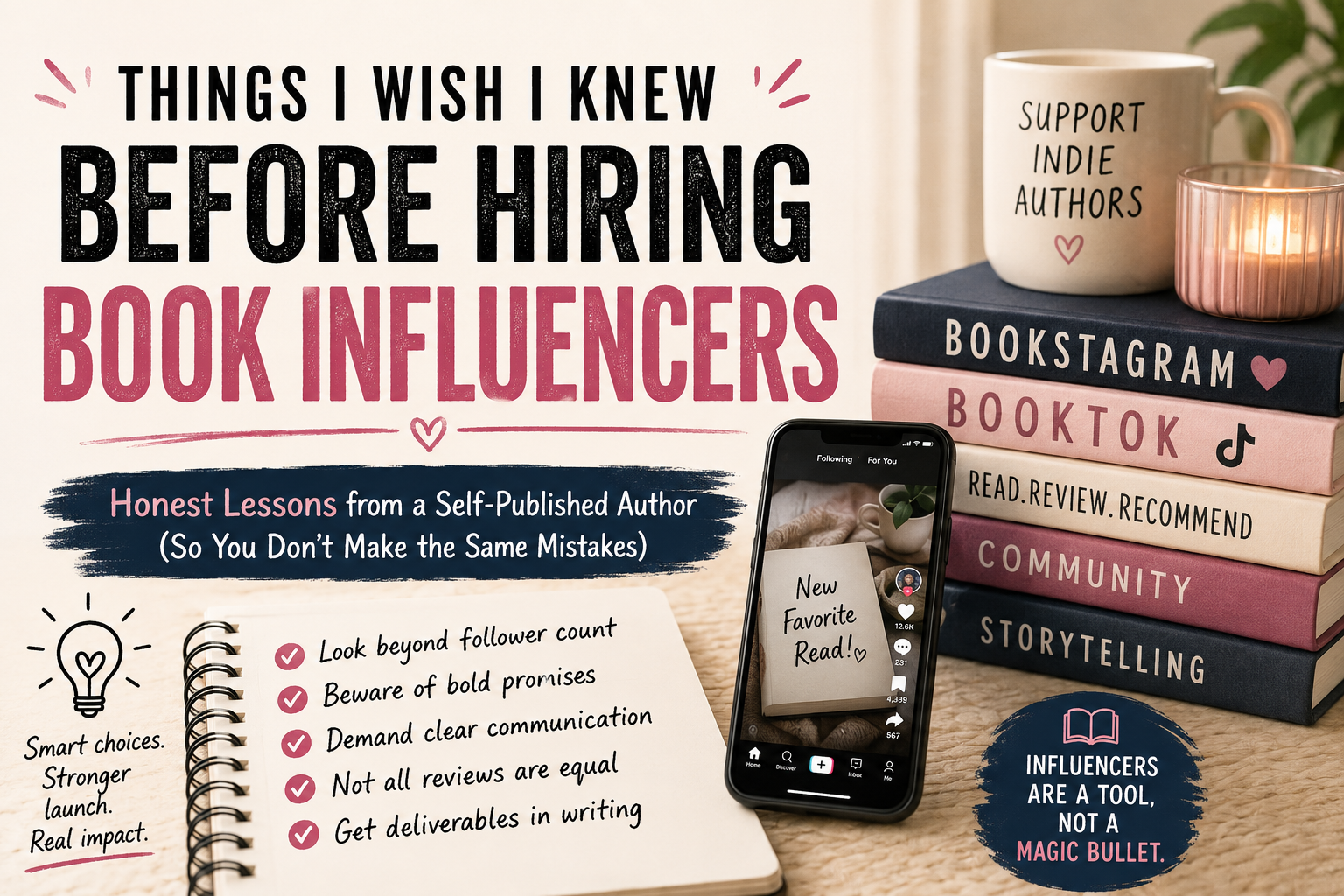
However, marketing the book can become one of the more expensive parts of the process. Reaching readers often requires additional effort, and some authors choose to invest in paid advertising or collaborate with book influencers to increase visibility. While these options can help, they also add to the overall cost.
-
The self publishing journey follows a structured process, even though it may seem complex at first. It can be understood in six key steps that guide you from idea to publication and beyond.
It begins with writing, where you turn your ideas into a complete manuscript. This is followed by editing, where you refine your content, improve clarity, and correct errors. Once your manuscript is polished, the next step is formatting, which prepares your book for digital or print publishing with proper layout and readability.
After formatting, you move to cover designing, creating a professional and visually appealing cover that attracts readers. The next step is publishing, where you upload your book to a platform, set details like pricing and description, and make it available to readers.
Finally comes marketing, which is often the most important and challenging stage. This is where you promote your book, build visibility, and work to reach your target audience.
Each step builds on the previous one, making it important to approach the process step by step with clarity and consistency.
-
There are several platforms available for self publishing, each designed to help you publish and distribute your book to readers around the world.
Amazon Kindle Direct Publishing (KDP) is the most popular choice for beginners. It allows you to publish both ebooks and paperbacks with ease and gives you access to a large global audience through Amazon.
IngramSpark is another widely used platform and is often preferred for global distribution. It helps make your book available to bookstores, libraries, and retailers worldwide beyond Amazon.
Platforms like Draft2Digital and Smashwords focus on ebook distribution. They allow you to publish once and distribute your book across multiple online stores, making it easier to reach readers on different platforms.
Each platform has its own strengths. Many authors start with Amazon KDP because of its simplicity and reach, and later expand to other platforms to increase their visibility and distribution.
-
While self publishing offers freedom, it also comes with challenges. As an author, you are responsible for every step, from editing and design to publishing and promotion, which can feel overwhelming.
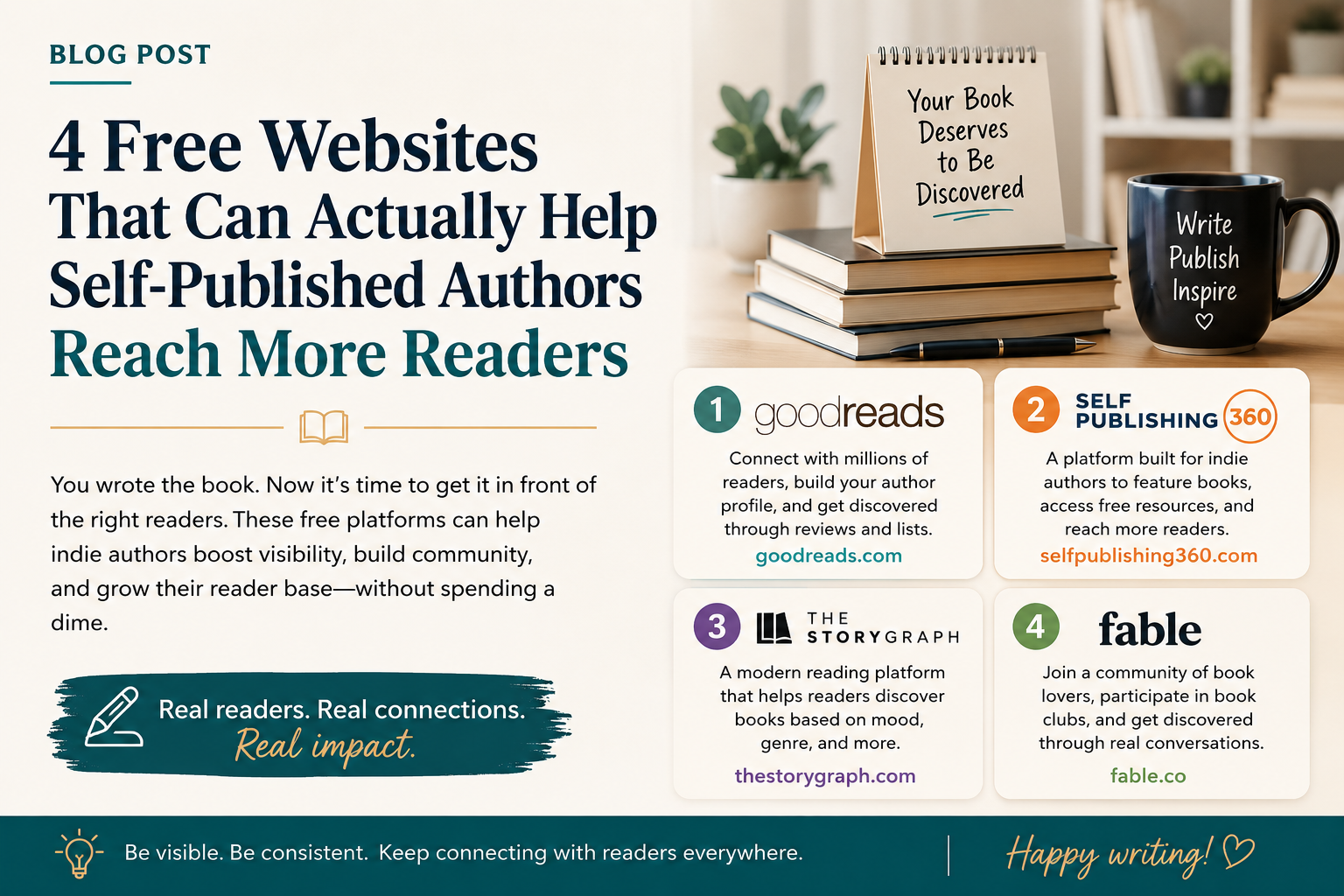
The biggest challenge is marketing. Publishing your book is relatively simple, but getting people to discover and buy it is much harder. Many self published books struggle with visibility, and as a result, sales are often low, especially in the beginning. Without an existing audience, strong marketing strategy, or consistent promotion, it can be difficult to stand out among thousands of new books released every day.
This often leads to frustration for authors who expect immediate results. In reality, building visibility takes time, effort, and sometimes investment in areas like advertising or collaborations. Success in self publishing is not just about publishing a book, but about continuously promoting it and reaching the right audience.
Maintaining quality is another factor, as there is no publisher to review your work. In some cases, achieving professional results may also require time or financial investment.
Despite these challenges, with the right guidance and consistent effort, they can be managed and improved over time.